
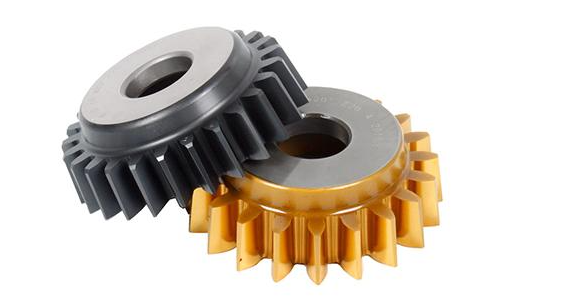
Gear manufacturing requires highly specialized cutting tools that can produce accurate tooth profiles for different types of gears. Among the most important tools used in gear shaping operations are the helical shaper cutter and the spiral shaper cutter. These precision tools are widely used in industries such as automotive, heavy machinery, aerospace, and industrial equipment where gears must operate smoothly and reliably.
Modern manufacturing environments demand high precision and consistency. Because of this, engineers and machinists rely on advanced cutting tools designed specifically for shaping complex gear geometries. Both the helical shaper cutter and the spiral shaper cutter are designed to meet these requirements by delivering precise gear tooth profiles and efficient material removal during the shaping process.
Understanding Gear Shaper Cutters
Gear shaping is a machining process used to create gear teeth using a reciprocating cutting motion. The cutter and the gear blank rotate together in a synchronized motion, gradually forming the required gear profile. This method is particularly useful for producing internal gears and gears with complex tooth forms.
A helical shaper cutter is designed to produce helical gear teeth, which are angled relative to the gear axis. Helical gears are widely used in mechanical systems because they provide smoother and quieter operation compared to spur gears. The design of the cutter allows manufacturers to accurately shape these angled teeth while maintaining tight tolerances.
Similarly, a spiral shaper cutter is used for producing spiral gear forms that require precise cutting geometry. Spiral gears are commonly used in applications where smooth power transmission and high load capacity are required. These cutters ensure the correct tooth shape and spacing needed for reliable gear performance.
Key Features of Helical and Spiral Shaper Cutters
High-performance gear cutting tools are designed with several features that enhance their effectiveness. A well-manufactured helical shaper cutter typically includes precise tooth geometry, high-quality tool material, and excellent wear resistance. These characteristics allow the cutter to maintain accuracy over long production runs.
In the same way, a high-quality spiral shaper cutter must be engineered with precision grinding and strict quality control. The geometry of the cutter plays a major role in achieving the correct spiral angle and gear tooth profile. Reliable cutters help manufacturers maintain consistent production quality.
Another important feature of both cutter types is their compatibility with modern CNC gear shaping machines. Advanced manufacturing technology ensures that every helical shaper cutter and spiral shaper cutter can deliver repeatable performance even in high-volume production environments.
Materials Used in Gear Shaper Cutters
The performance of gear shaping tools largely depends on the materials used in their construction. Most cutters are manufactured using high-speed steel (HSS) or carbide due to their excellent hardness and wear resistance. A durable helical shaper cutter made from premium materials can withstand high cutting forces while maintaining sharp edges.
Similarly, a well-designed spiral shaper cutter benefits from advanced tool materials and heat treatment processes. These improvements increase tool life and ensure stable cutting performance when machining tough materials such as alloy steels and hardened metals.
In addition to material selection, many gear cutters are coated with advanced coatings such as TiN or TiAlN. These coatings reduce friction and improve resistance to heat and wear, allowing the cutter to operate efficiently under demanding machining conditions.
Industrial Applications
Gear shaping cutters are used in a wide variety of industries that rely on precise mechanical components. Automotive manufacturers use these tools to produce transmission gears, steering components, and differential gears. In such applications, the helical shaper cutter plays an essential role in creating smooth-running helical gear systems.
Industrial machinery manufacturers also rely on specialized cutters for producing complex gear mechanisms. A precision spiral shaper cutter is often used to manufacture spiral gears that operate under high loads in heavy equipment and industrial drive systems.
Aerospace engineering is another field where precision gear manufacturing is essential. Aircraft systems require extremely reliable components, and gear shaping tools must deliver consistent accuracy. Both types of cutters help ensure that gears meet strict safety and performance standards.
Advantages of Using Precision Shaper Cutters
One of the main advantages of using a high-quality helical shaper cutter is its ability to produce gears with excellent surface finish and accurate tooth profiles. This precision reduces the need for additional finishing operations and improves the overall efficiency of the manufacturing process.
Likewise, a precision spiral shaper cutter ensures smooth gear operation by maintaining correct tooth geometry. Properly shaped gears produce less noise and vibration, which is particularly important in automotive and industrial machinery applications.
Another advantage is improved productivity. Modern gear shaping machines combined with advanced cutters allow manufacturers to produce high volumes of gears with consistent quality and minimal tool wear.
Factors to Consider When Selecting Gear Shaper Cutters
Selecting the right cutting tool requires careful evaluation of several factors. The gear specifications, including module, pressure angle, and tooth design, must match the cutter geometry. Choosing the correct helical shaper cutter ensures the gear teeth are formed accurately during the shaping process.
Machining conditions and workpiece materials should also be considered when selecting the tool. A properly designed spiral shaper cutter must be able to handle the specific material being machined while maintaining stable cutting performance.
Manufacturers should also consider tool durability and re-sharpening capability. High-quality gear cutters can often be reconditioned multiple times, which helps reduce long-term production costs.
Maintenance and Tool Life
Maintaining gear shaping tools is essential for ensuring consistent machining accuracy. Regular inspection helps identify wear before it affects gear quality. A well-maintained helical shaper cutter can continue to deliver reliable results even after extended production cycles.
Proper handling and storage are also important. Each spiral shaper cuttershould be stored in protective cases to prevent accidental damage to the cutting edges. Keeping tools clean and protected ensures longer service life and stable performance.
In addition, periodic re-sharpening by professional tool grinding services helps restore the cutter’s original geometry. This maintenance process allows manufacturers to maximize the value of their cutting tools.
Future Trends in Gear Cutting Tools
Advancements in manufacturing technology continue to improve the performance of gear shaping tools. Modern design software and CNC grinding machines allow manufacturers to produce extremely accurate cutters. As a result, both the helical shaper cutter and the spiral shaper cutter are becoming more efficient and reliable.
Innovations in coating technology and tool materials are also contributing to longer tool life and higher cutting speeds. These improvements help manufacturers increase productivity while maintaining strict quality standards in gear production.
Conclusion
Precision gear manufacturing depends heavily on the quality of the cutting tools used in the shaping process. The helical shaper cutter and the spiral shaper cutter are essential tools that enable manufacturers to produce accurate and reliable gears for a wide range of industrial applications.
By selecting high-quality cutters, maintaining them properly, and using the right machining parameters, manufacturers can achieve efficient production and long-lasting gear performance. As gear manufacturing technology continues to evolve, these specialized cutters will remain a critical part of modern mechanical engineering.