
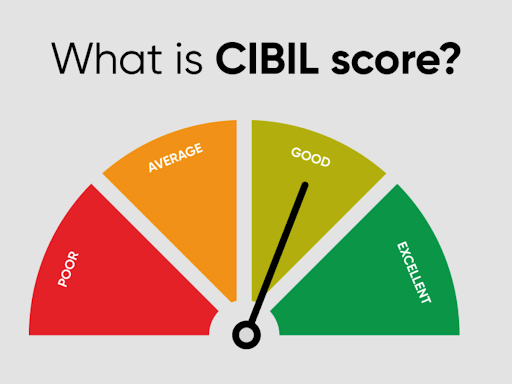
In today’s world, creditworthiness is a crucial determinant for gaining access to credit facilities, whether it’s a credit card or a loan. The CIBIL score is one of the most widely recognized measures of an individual’s creditworthiness in India. Financial institutions use this three-digit number, ranging from 300 to 900, to assess an applicant’s credit behavior and history before approving any financing requests. In this article, we will explore the minimum CIBIL score for credit card and loan approvals, why it matters, ways to improve your CIBIL score, and additional tips for financial planning. We’ll also touch on secondary topics, such as how to get a voter ID card, which plays a vital role in identity authentication.
What is a CIBIL Score?
The CIBIL score (maintained by TransUnion CIBIL) is a numeric summary derived from your credit report. It reflects how responsibly you’ve handled credit in the past, such as loans and credit cards. A higher minimum cibil score for credit cards indicates responsible financial behavior, while a lower score may signal risks to lenders.
Key Components That Influence Your CIBIL Score:
- Payment History: Timely repayment of dues builds your reputation. Late payments or defaults harm your score significantly.
- Credit Utilization Ratio: Overusing your available credit can negatively impact your score.
- Credit Inquiry: Frequent applications for loans or credit cards may show desperation for credit, leading to a dip in your score.
- Length of Credit History: The longer your credit history, the better it boosts your score.
Minimum CIBIL Score Needed for Credit Card Approval
The minimum CIBIL score required for credit card approval generally falls between 700 and 750. This range is considered “good to excellent,” as it signals that you are trustworthy with managing debts. If you score above 750, it increases your chances of getting a credit card with better features, including higher credit limits, rewards, and lower interest rates.
For applicants with a score between 650 and 700, there are still options available, but you may face stricter terms and conditions. A lower CIBIL score (below 650 or 600) can make it extremely difficult to secure traditional credit cards. However, secured credit cards that are linked to fixed deposits can still be obtained irrespective of prior credit performance.
Minimum CIBIL Score Needed for Loan Approval
When applying for a loan—whether it’s a personal loan, home loan, car loan, or business loan—the minimum CIBIL score tends to vary by institution and type of loan. Here are some general guidelines:
Personal Loans:
Personal loans are unsecured loans, meaning there is no collateral involved. Hence, the minimum CIBIL score for approval is higher—typically 750 or above. If your score is between 700 and 750, you might still qualify but at a higher interest rate. A score below 700 greatly reduces your chances of approval for unsecured loans.
Home Loans:
Home loans are secured loans, as they are backed by the property as collateral. Most banks require a minimum CIBIL score of 650 or above for home loan approval. A higher score, such as 700 to 750, will give you access to favorable interest rates and faster processing.
Car Loans:
Car loans usually have a minimum CIBIL score requirement in the range of 650 to 750, depending on the lender. With collateral involved (i.e., the car itself), lenders may be slightly more lenient than for unsecured loans.
Business Loans:
For business loans, credit score requirements can vary significantly depending on the loan size, type, and lender preferences. A score above 700 to 750 is often considered ideal, but lower scores may work if the business shows high revenue potential.
Why Is a Good CIBIL Score Important?
Higher Chances of Approval:
A good CIBIL score reduces the risk perception lenders have of you. It demonstrates that you are likely to repay your debts on time.
Favorable Interest Rates:
With a higher CIBIL score, banks and financial institutions are more likely to offer lower interest rates, thereby reducing your repayment burden.
Access to Premium Financial Products:
Certain credit cards with high rewards, travel benefits, and lifestyle perks are reserved for individuals with excellent scores.
Ease of Borrowing Larger Amounts:
If you plan to apply for high-value loans, a strong credit score is a non-negotiable requirement.
How to Improve Your CIBIL Score?
If your current CIBIL score is below the acceptable minimum for credit card or loan approval, focus on improving it through the following steps:
Pay Your Bills on Time:
Avoid late payments, including your credit card bills and EMIs on loans. Consistent timely repayment builds positive credit history.
Limit Credit Applications:
Avoid multiple loan or credit card applications within a short period, as it creates multiple credit inquiries and lowers your score.
Reduce Outstanding Debt:
Pay off as much existing debt as you can. A low credit utilization ratio offers a boost to your score.
Monitor Your CIBIL Report:
Periodically check your credit report for any discrepancies or unauthorized transactions. Rectifying errors promptly can improve your score.
Use Credit Responsibly:
Mix secured and unsecured credit, and never max out your credit card limit.
How to Get a Voter ID Card
While improving your CIBIL score is vital for financial success, understanding how to get a voter id card is an essential step for identity authentication in India. Many lenders require official documents like PAN cards, Aadhar cards, and voter ID cards during the loan or credit card application process. Here’s how you can get your voter ID card:
Online Method:
- Visit the official National Voter Services Portal (NVSP).
- Register for a new Voter ID by filling out Form 6 (application for inclusion of name in the electoral roll).
- Attach scanned documents such as proof of identity and address (Aadhar card, PAN card, utility bills, etc.).
- Submit the application. You will receive an acknowledgment receipt.
Offline Method:
- Visit the Electoral Registration Office in your area.
- Fill out Form 6 and provide necessary supporting documents.
- Submit the form along with the required proofs in person.
Getting a voter ID card is essential not only for exercising your democratic rights but also for availing various services as it acts as an identity proof.
Conclusion
The minimum CIBIL score for credit card and loan approvals is a critical requirement you must meet to access financial products. A score of 750 or above is generally ideal for both credit cards and loans, offering better terms, faster approval, and lower interest rates. For individuals with lower scores, taking proactive measures to improve credit health is essential.
In addition to maintaining a strong financial profile, ensure that your identity verification documents, such as a voter ID card, are up-to-date. This adds credibility to your profile when applying for loans or credit services. By managing your credit responsibly and obtaining necessary documents, you can enhance your financial eligibility while being ready for unforeseen requirements.
Start working on your CIBIL score today—the gateway to a financially secure and stress-free future!