
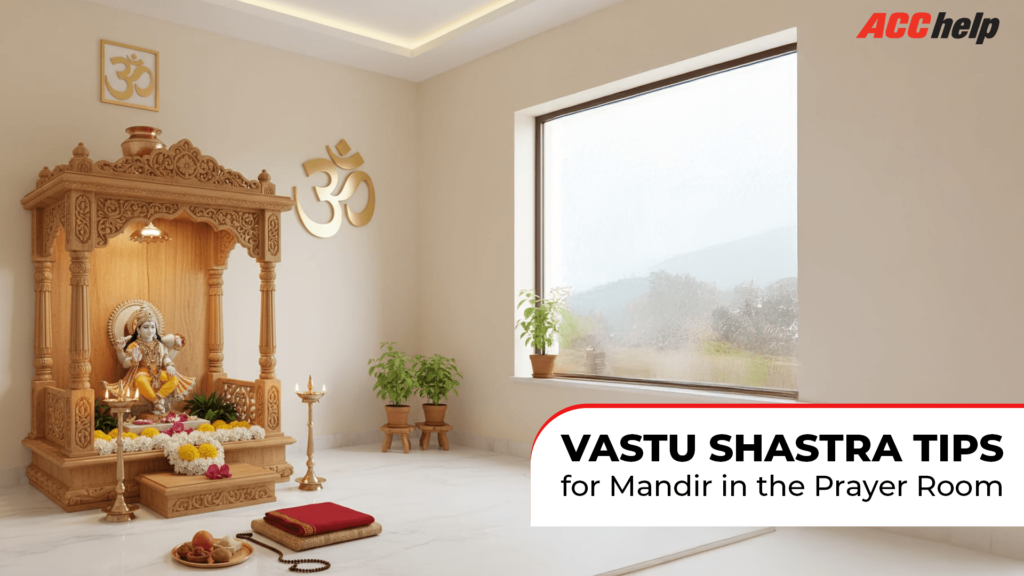
In most Indian homes, the prayer room is an auspicious space meant for calm, reflection, and spiritual connection. Whether it is a small wall-mounted mandir or a dedicated puja room, its placement and design influence the overall energy of the home. This is where Vastu Shastra plays an important role.
Vastu Shastra offers practical guidelines that help align your prayer space with natural energies. These principles are not about rigid rules but about creating harmony between the home, its occupants, and the spiritual practices they follow. When planned correctly, a mandir becomes a source of peace, balance, and positivity for the entire household.
Why Mandir Placement Matters in Vastu Shastra
In traditional Indian thought, a home is seen as a living entity guided by natural energy flows. Each direction is believed to carry a specific type of energy, influenced by nature and cosmic elements. The prayer room is considered the spiritual core of the house, making its placement especially important.
The northeast direction, also known as Eeshan, is associated with divine energy and clarity. It is believed to support meditation, prayer, and spiritual growth. Placing the mandir in alignment with this direction helps create a calm atmosphere that encourages focus and devotion.
Beyond belief, these principles also promote practical benefits such as better light, ventilation, and a quieter environment for prayer.
Best Direction for Mandir as per Vastu
According to Vastu Shastra, the most auspicious direction for a home mandir is the northeast. If this is not possible due to space limitations, the east direction is the next best option.
- East-facing mandir: Associated with the rising sun, it symbolises new beginnings, awareness, and positivity. Praying while facing east is believed to improve focus and mental clarity.
- North-facing mandir: Linked with prosperity and growth, it is also considered suitable for worship when east placement is not feasible.
Avoid placing the mandir in the south direction, as this is generally associated with heavier energies not suitable for prayer spaces.
Placement of Deities Inside the Mandir
The way idols are positioned within the mandir is just as important as where the mandir itself is located. Proper placement supports a balanced flow of spiritual energy.
- Facing direction: Deities should ideally face east or north. This allows the person praying to face west or south, which is considered appropriate during worship.
- Central focus: The main deity should be placed at the centre or back of the mandir, making it the focal point of the space.
- Correct height: Idols should be placed at eye level or slightly higher when seated. Too high or too low placement is discouraged.
- Multiple idols: If there are several idols, they should not face each other directly, as this is believed to disrupt energy balance.
Maintaining spacing between idols and avoiding overcrowding helps keep the prayer area calm and focused.
Ideal Location of the Prayer Room at Home
If you have a dedicated puja room, the northeast corner of the house is considered the best location. For apartments or smaller homes, a quiet corner in the living area aligned with the northeast or east direction works well.
Avoid placing the mandir:
- In bedrooms
- Near or against bathroom walls
- Directly above or below toilets or kitchens
- Inside storage rooms or under staircases
These locations are believed to interfere with the sanctity and energy of the prayer space.
Tips to Maintain a Positive and Pure Mandir Space
Keeping the mandir clean and organised is essential for maintaining its spiritual significance.
- Cleanliness: Idols and the mandir area should be cleaned regularly using gentle methods appropriate to the material.
- Clutter-free zone: Avoid storing unrelated items near the mandir. Simplicity supports better energy flow.
- Lighting: Soft lighting, diyas, or lamps improve the spiritual ambience and symbolise purity.
- Devotional placement: Arranging the mandir and idols with care and respect strengthens the emotional connection to the space.
A calm and well-maintained mandir naturally encourages regular prayer and reflection.
Dos and Don’ts for Mandir as per Vastu Shastra
Dos
- Use light colours such as white, cream, light yellow, or pale blue for the prayer room.
- Make sure the doors or windows in the mandir area face north or east.
- Place lamps in the southeast or east side of the mandir.
- Keep proper ventilation, especially in the upper portion of the room.
- A pyramid-shaped mandir structure is considered auspicious.
Don’ts
- Do not place the mandir in the south direction.
- Avoid placing idols directly against walls; maintain a small gap.
- Do not position the mandir directly in front of the main entrance.
- Avoid decorative items, photographs, or objects unrelated to worship in the mandir.
- Do not locate the mandir near kitchens, bathrooms, or storage areas.
Following these simple guidelines helps preserve the sanctity and peaceful nature of the prayer space.
Designing a Mandir That Feels Right
Vastu Shastra is not about fear or superstition. It is about balance, light, airflow, and thoughtful placement. When applied practically, these guidelines help create a prayer space that feels calming, respectful, and spiritually uplifting.
If you’re building your own mandir that is significantly sized, use quality materials like ACC cement for a strong and durable structure.
A well-planned mandir supports daily rituals, quiet reflection, and emotional grounding. Whether your home is large or compact, aligning your prayer room with Vastu principles helps turn it into a meaningful space that brings peace and positivity into everyday life.