
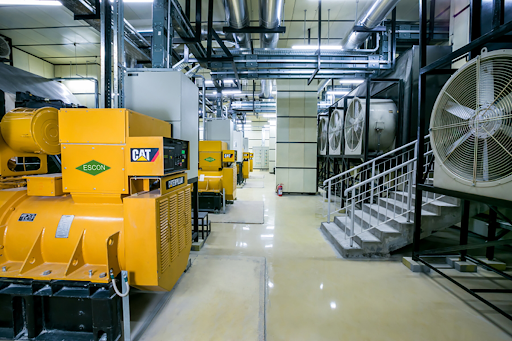
In industrial spaces, having a reliable power supply is a must for a profitable and productive day. From factories and infrastructure projects to hospitals and commercial facilities, generators keep operations running when the grid can’t. But there’s one challenge that’s hard to ignore: noise.
Anyone who’s been near a generator room knows how intense it can get. The constant vibrations and exhaust sounds affect productivity and comfort for the residents around the space. To prevent this from happening, an acoustic room treatment is the perfect solution. This innovative solution uses smart design and sound engineering to control it, creating quieter, safer, and more efficient work environments.
Why Generator Rooms Need Acoustic Planning
Diesel generators produce noise from multiple sources. Internal combustion, moving components, cooling systems, and exhaust points all contribute to the familiar sounds of a generator at work.
With generators placed near residential or mixed-use zones, these sounds become a cause of concern. Pulse, with noise pollution regulations becoming stricter, businesses are expected to maintain acceptable decibel levels. Without proper treatment, generator noise can:
- Disturb nearby workspaces and residential areas
- Causes fatigue and reduced efficiency among workers
- Lead to compliance issues with local authorities
- Increase wear and tear due to uncontrolled vibrations
This is why adopting acoustic room treatments in generators is a must for both commercial and residential areas.
Understanding the Core Principles of Acoustic Treatment
A good acoustic design is meant to control the noise produced by the machine. This involves managing both the noise caused by the engine and the vibrations through a combination of techniques.
1. Vibration Isolation
One of the biggest contributors to noise is vibration. When a generator operates, it transfers mechanical energy into the surrounding structure, which then amplifies and spreads the sound. To address this, installations use:
- Anti-vibration mounts made of rubber or spring systems
- Elastomeric pads to absorb shock
- Floating floors that decouple the generator from the main structure
In high-capacity systems, like a 320 kVA diesel genset, these measures are important. The larger the generator, the greater the vibration impact, making isolation even more important.
2. Sound Absorption Within the Room
Once vibration is controlled, the next step is managing airborne noise inside the generator room. This is done using sound-absorbing materials that prevent sound waves from bouncing around and intensifying.
Common solutions include:
- Acoustic foam panels
- Perforated metal sheets with insulation backing
- Multi-layer wall systems combining mass and absorption
These materials reduce echo and contain noise within the room, preventing it from escaping into surrounding areas.
3. Exhaust and Intake Noise Control
Even with well-treated walls, sound can escape through openings like air vents and exhaust systems. This makes intake and exhaust design a critical part of the acoustic strategy. Effective methods include:
- Installing silencers or mufflers on exhaust lines
- Using acoustic ducting with bends to disrupt sound paths
- Adding baffles or lined ducts to air inlets
- Positioning exhaust outlets away from sensitive zones
By controlling these pathways, facilities can significantly reduce the overall noise of their generator systems.
4. Sealing Sound Leak Paths
Sound behaves like air; it finds the smallest gaps and escapes through them. Doors, louvres, and joints in the generator room can all act as leak points if not properly sealed.
To prevent this, an acoustic enclosure includes:
- Airtight doors with acoustic gaskets
- Sealed panel joints
- Proper entry points that block direct sound paths
Strategic Placement and Layout
Beyond internal treatment, the location of the generator room also influences noise control. A well-planned layout can reduce the need for extensive modifications later. Best practices include:
- Placing generator rooms away from quiet zones like offices or residential areas
- Using buffer zones such as storage areas or corridors
- Incorporating external barriers like walls, berms, or vegetation
- Designing airflow paths that minimise direct sound transmission
Maintenance : The Key to Long-Term Performance
Even the best acoustic enclosures need regular maintenance to remain effective. Over time, components like mounts, seals, and insulation materials can degrade.
Routine checks should include:
- Inspecting vibration isolators for wear
- Ensuring seals and gaskets remain intact
- Cleaning and maintaining ventilation systems
- Checking for structural gaps or damage
Consistent maintenance ensures that the acoustic performance does not decline over time.
Why It Matters for Modern Facilities
In today’s industrial landscape, noise control is about more than compliance. It reflects a company’s commitment to safety, efficiency, and environmental responsibility. With growing urbanisation and stricter regulations in place, businesses must adopt solutions that balance performance with sustainability. Acoustic treatment helps achieve this by:
- Enhancing worker comfort and productivity
- Reducing environmental noise pollution
- Ensuring compliance with regulatory standards
- Protecting surrounding communities
Final Thoughts
Generators are durable machines designed to keep operations running, but their impact should not extend beyond their purpose. With the right Acoustic Room Treatment, even large-capacity gensets can operate quietly and efficiently.
Whether you’re working with compact units or high-capacity setups like 320 kVA diesel gensets, a well-designed acoustic plan makes all the difference. This ensures that the generator’s noise is contained, it’s secured from the outside elements, and it works efficiently whenever a power cut happens.