
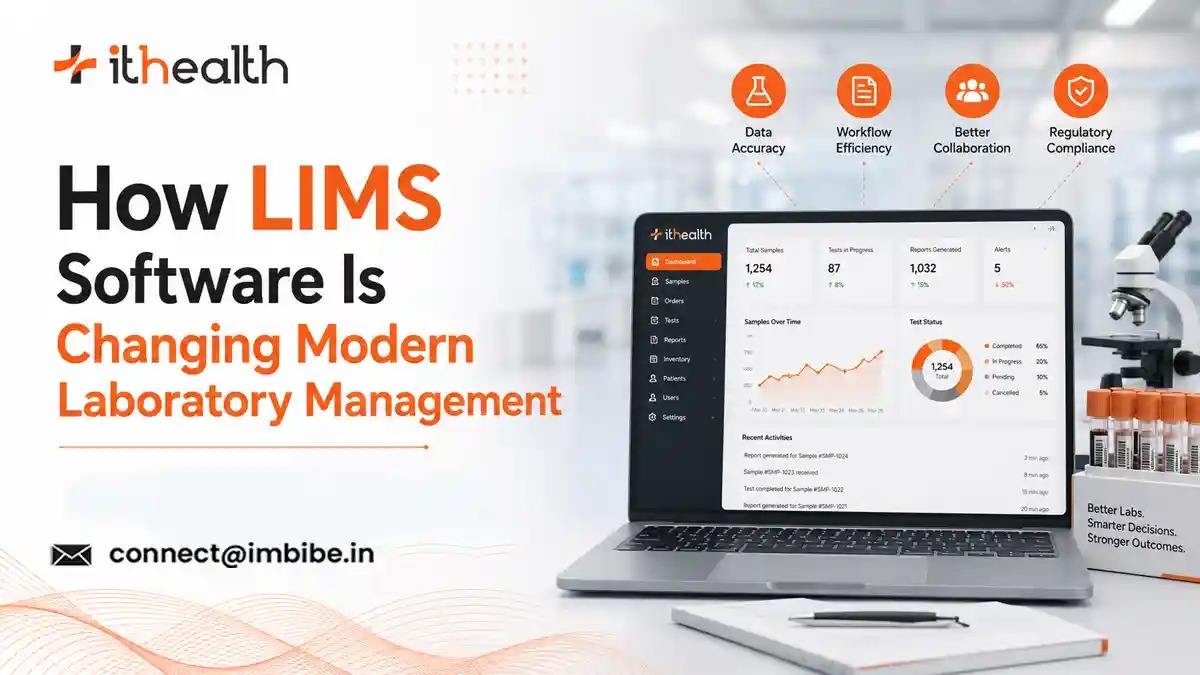
The adoption of LIMS is gathering momentum in a lot of industries as labs in various fields are facing similar problems of handling complex data, maintaining accuracy, improving efficiency, and meeting regulatory requirements.
Healthcare laboratories deal with a constant stream of patient samples and speed and accuracy are paramount. Delays or errors in processing can affect decision-making and patient outcomes.
LIMS helps diagnostic laboratories organize their sample workflows, manage test information, and improve reporting efficiency. Good record keeping and less manual work helps labs stay on top of growing volumes of testing and ensure accurate results.
Pharmaceutical & Biotech Labs
Laboratories are essential to pharmaceutical companies for research, quality control, validation, and product testing. These processes require rigorous documentation and consistent Data Management.
Pharmaceutical and biotech organizations can utilize a LIMS to keep detailed records of experimentation, testing procedures, and quality checks. It improves team collaboration and helps organizations comply with industry standards and regulatory requirements.
Food & Beverage Testing Laboratory
Food safety labs also run a battery of tests to ensure products meet quality and safety expectations. Without the help of digital processes, it can be hard to keep track of large numbers of samples and still be able to trace them back.
LIMS enables these laboratories to manage testing activities, maintain sample histories, and produce accurate reports. This improves quality control processes and helps organizations better manage compliance requirements.
Environmental & Research Laboratories
Environmental laboratories test samples from water, soil, and other sources to monitor conditions and identify potential hazards. Research laboratories must also manage complex datasets generated by experiments and studies.
LIMS offers centralized data management and improves workflow visibility. It enables researchers and environmental scientists to organize data more efficiently and make good decisions based on trustworthy data.
The Business Value of a LIMS Implementation
LIMS is a lab management tool, but it’s more than just the day-to-day routine. The right system can often lead to improvements in productivity, quality, and long-term scalability for organizations.
One of the biggest benefits is increased operational efficiency. It also frees laboratory teams from repetitive activities and administrative burdens, freeing up more time for analysis, innovation, and quality improvement.
Another major advantage is better decision making. With the availability of laboratory data in real time, managers can remove workflow bottlenecks, monitor performance, and optimize resource allocation.
A LIMS also supports collaboration by providing relevant information in one place for authorized users. This closes communication gaps and helps ensure teams are using accurate and up-to-date information.
How to Select the Best LIMS for Your Laboratory
Choosing a LIMS is a critical decision because every lab has different workflows, requirements, and compliance needs. Organizations should look at solutions based on the challenges they face today and their plans for future growth.
A good LIMS solution must be flexible enough to change with laboratory needs. Ease of use is another key element, as the success of adoption is determined by the ability of laboratory teams to use the system effectively in their daily activities.
Also consider integration capabilities. Today’s laboratories are filled with instruments and software systems. A LIMS that can communicate with existing systems can make a big difference to efficiency.
Data security is another key issue, especially for labs that handle sensitive research, healthcare, or quality data. A good system has strong access controls, data protection, and audit capabilities.
Organizations should also consider vendor support, customization options, scalability, and long-term reliability when making a decision.
Future Lab Management
Automation, artificial intelligence, cloud technology, and advanced analytics will continue to drive the future of laboratory operations. With labs producing increasingly sophisticated datasets, the need will grow for systems that can organize and intelligently interpret information.
Today’s LIMS platforms do far more than just keep records. They are becoming complete digital ecosystems providing automation, predictive insights, and better decision-making.
Cloud-based laboratory solutions are also gaining popularity because they offer more flexibility, easier access, and less complicated maintenance. Laboratories can facilitate collaboration and decrease reliance on conventional infrastructure.
The adoption of advanced laboratory management technologies will enable organizations to improve efficiency, maintain compliance, and foster innovation in a more competitive market.
How ItHealth Makes Lab Operations Smarter
A good LIMS can help labs overcome operational challenges by bringing together data, workflows, and quality processes in one platform. Solutions like ItHealth by Imbibe Tech are built to cater to the demands of contemporary laboratories by streamlining workflow management, boosting data accuracy, and giving organizations greater control over laboratory operations.
Labs that have a disciplined digital approach can eliminate manual processes, make processes more transparent, and build more efficient processes that support long-term growth.
Conclusion
In today’s fast-paced environment, laboratories need to be accurate, fast, and compliant. Traditional manual processes often cannot keep up with increasing workloads and changing industry needs.
A Laboratory Information Management System (LIMS) is a practical solution that unifies laboratory workflows, improves data management, and enables better operational control.
LIMS helps laboratories create more efficient, reliable processes—from sample tracking and automation to compliance management and reporting.
As digital transformation continues to accelerate across industries, investing in the right LIMS solution can prepare organizations to boost performance, reinforce quality standards, and prepare for future challenges.
Frequently Asked Questions (FAQs)
1. What Is the Purpose of LIMS Software?
LIMS software is used to manage laboratory operations such as sample tracking, data management, workflow automation, reporting, and compliance documentation. It provides laboratories with a centralized platform to better organize and track their activities.
2. How Does LIMS Affect Laboratory Productivity?
LIMS boosts productivity by automating routine tasks, reducing the need for manual data entry, improving workflow coordination, and providing fast access to critical lab information. That means more time for analysis and quality improvement for laboratory staff.
3. Is LIMS Only Useful for Healthcare Laboratories?
No. LIMS is used across a wide range of industries including healthcare, pharmaceuticals, biotechnology, food testing, environmental monitoring, chemical testing, and research organizations. Any laboratory that deals with samples and testing data can benefit from a LIMS solution.
4. What Factors Should Organizations Consider When Choosing a LIMS?
Selecting a LIMS solution requires organizations to consider workflow requirements, scalability, compliance capabilities, integration options, security features, ease of use, customization, and vendor support among other factors.