
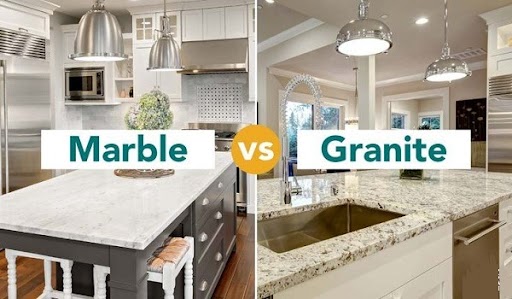
When it comes to choosing the right countertop for your kitchen or bathroom, the debate between granite and marble is one that many homeowners face. Both materials are timeless, beautiful, and durable, but how do you know which one is right for your space? Whether you’re remodeling your kitchen in Dublin and Columbus, Ohio, or building your dream home, choosing the perfect countertop is crucial to creating a space that is not only functional but also aesthetically pleasing.
In this article, we will explore the pros and cons of marble vs granite kitchen countertops and guide you through the decision-making process to help you make an informed choice. Let’s dive in!
What is Granite
Granite is an igneous rock formed from cooled magma deep beneath the Earth’s surface. This process gives granite its dense, durable, and resilient properties, making it one of the most popular countertop materials. Granite comes in a variety of colors and patterns, including hues of black, white, gray, brown, and even green.
Advantages of Granite Countertops
- Durability: Granite is highly resistant to scratches, heat, and stains. Its dense structure makes it incredibly tough and able to withstand the daily wear and tear of a busy kitchen.
- Low Maintenance: Granite countertops are relatively easy to care for. With proper sealing, granite countertops are non-porous, meaning they don’t absorb liquids, which reduces the risk of staining.
- Value: Granite is considered a premium material and can increase the value of your home. Many buyers look for granite countertops as a desirable feature when house hunting.
If you’re considering a kitchen renovation in Dublin and Columbus, Ohio, Granite Kitchen Countertops are a fantastic option. The durability and beauty they offer make them perfect for high-traffic areas like kitchens.
What is Marble
Marble is a metamorphic rock created when limestone is subjected to high pressure and heat. Unlike granite, marble has a softer, more porous surface. It is available in a variety of shades, from classic white to deep veining patterns of gray, green, and even pink.
Advantages of Marble Countertops
- Aesthetic Appeal: Marble is often associated with luxury and elegance. Its smooth, polished surface and unique veining make it a beautiful addition to any home.
- Heat Resistance: Marble can withstand high temperatures, which makes it an excellent choice for kitchen spaces where you often need to place hot pots and pans.
- Natural Look: Marble offers a more natural and organic feel compared to granite. Its subtle veins add depth and character to any space, making it an attractive choice for homeowners who prefer a more classic, timeless look.
However, marble does require more maintenance, and its softer surface makes it more prone to scratches and stains. If you’re looking for something that exudes elegance, marble kitchen countertops can be the perfect addition to your home.
Comparing Granite and Marble: Key Differences
While both granite and marble bring undeniable beauty and value to a home, there are some important differences to keep in mind. These differences will help you determine which material best fits your lifestyle and needs.
Durability
- Granite: Granite is incredibly durable. It is resistant to scratches, chips, and heat. However, it does require periodic sealing to maintain its resistance to stains.
- Marble: Marble, on the other hand, is softer and more prone to scratching and staining. Over time, its surface can develop a patina, which some homeowners love for its antique charm, but it requires more upkeep than granite.
Maintenance
- Granite: Granite countertops are low maintenance once sealed. They don’t absorb liquids, so you can clean up spills without worrying about stains. However, it’s important to reseal them every 1-2 years to maintain their protection.
- Marble: Marble countertops require more care and attention. They are more porous than granite and can stain more easily, especially when exposed to acidic substances like citrus or wine. Regular sealing and prompt cleaning are essential.
Cost
- Granite: Granite is typically less expensive than marble, though high-end granite options can be quite costly. The price will depend on the color, pattern, and thickness of the slab.
- Marble: Marble is generally more expensive than granite due to its luxury status. The cost of marble can vary widely depending on the type and quality of the stone.
Aesthetic
- Granite: Granite comes in a wide variety of patterns and colors. While it can have some natural veining, it is typically more uniform in appearance than marble.
- Marble: Marble is known for its unique veining patterns, making each piece one-of-a-kind. Its softer, natural tones create a luxurious and elegant atmosphere in any room.
Which One Should You Choose?
The decision between granite and marble ultimately depends on your priorities, style, and budget. Here’s a quick summary to help guide your decision:
- Choose Granite if: You want a durable, low-maintenance countertop that will withstand heavy use. Granite is perfect for busy kitchens in Dublin and Columbus, Ohio, where durability is key.
- Choose Marble if: You are looking for a luxurious, timeless look with stunning veining and are prepared for a bit more maintenance. Marble countertops are great for bathrooms or areas that don’t see as much heavy use.
Conclusion
Both granite and marble are excellent choices for countertops, each offering distinct advantages depending on your needs. Whether you prefer the durability of granite or the elegance of marble, both materials can elevate the look of your home. Consider your lifestyle, the amount of use the countertop will receive, and your personal aesthetic preferences before making your final decision. Remember, no matter what you choose, proper care and maintenance will ensure that your countertops continue to look beautiful for years to come. For homes in Dublin and Columbus, Ohio, both granite and marble are exceptional options that can suit various design preferences.
Frequently Asked Questions (FAQs)
1. Which is more durable: granite or marble?
Granite is generally more durable than marble. It is resistant to scratches, heat, and stains, making it ideal for high-traffic areas like kitchens. Marble, while beautiful, is softer and more prone to scratches and stains.
2. How often should I seal my granite or marble countertops?
Granite countertops should be resealed every 1-2 years, depending on usage. Marble countertops require more frequent sealing because they are more porous. It’s recommended to reseal marble every 6-12 months.
3. Can I use marble or granite countertops in my kitchen?
Yes, both marble and granite are suitable for kitchens, but granite is more practical for high-traffic areas due to its durability. Marble can be used in kitchens, but it requires more maintenance and care to avoid staining and scratching.
4. Are marble countertops more expensive than granite?
Yes, marble countertops tend to be more expensive than granite, primarily due to the luxurious nature of the material. However, the cost can vary depending on the type and quality of the stone.
5. Can I install marble or granite countertops myself?
Installing marble or granite countertops requires specialized tools and expertise. It’s best to hire professionals to ensure proper installation and avoid potential damage to the stone.
6. How do I clean granite and marble countertops?
Both granite and marble countertops can be cleaned with a mild soap solution and a soft cloth. Avoid using acidic cleaners or abrasive pads, as they can damage the surface. Regular cleaning and prompt spill cleanup will help maintain the beauty of the stone.